DE ARCHITECTS
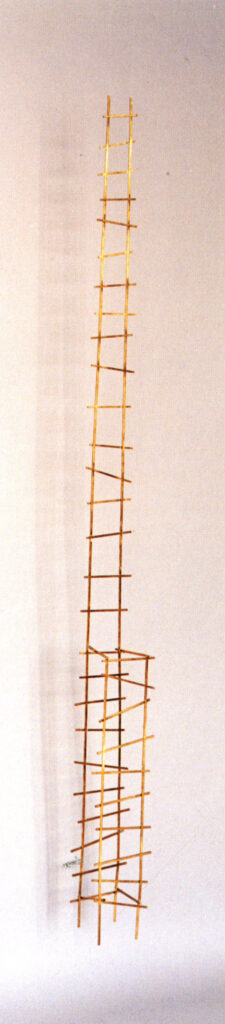
1/1
S-616
year 1998
material wood
source title Minimalist Design
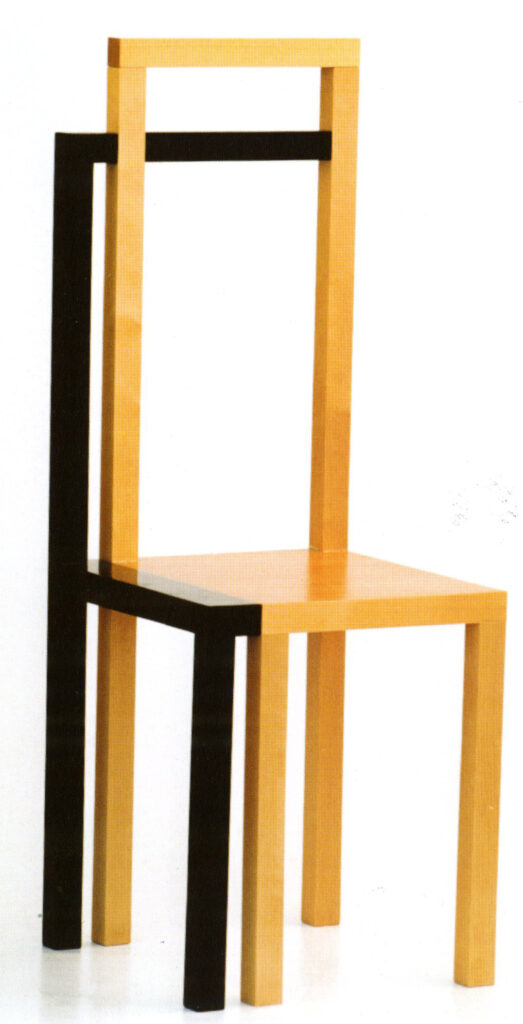
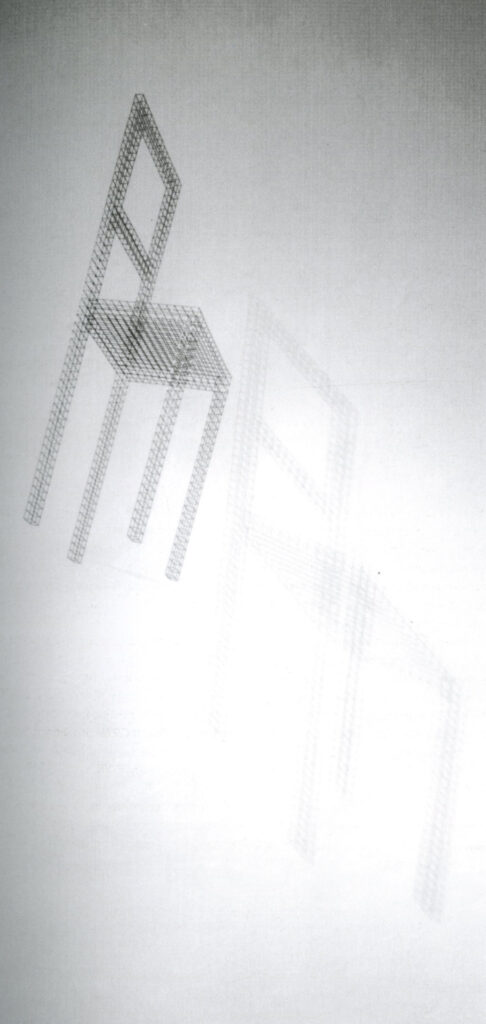
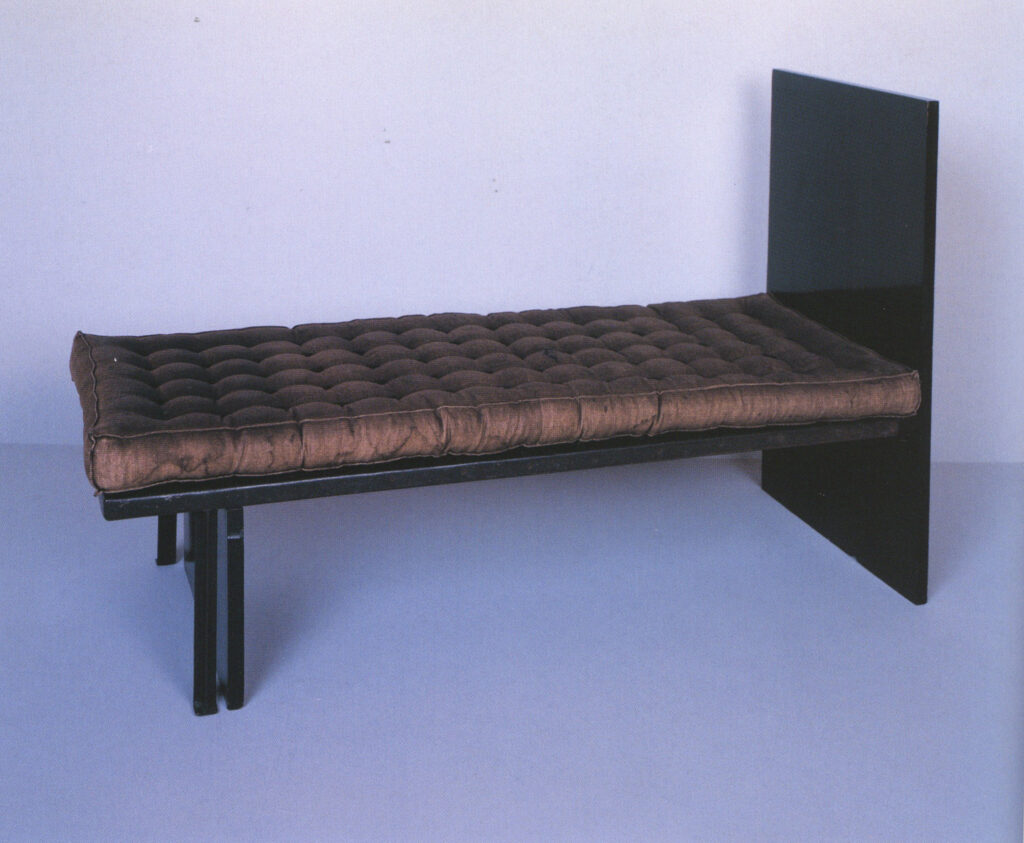
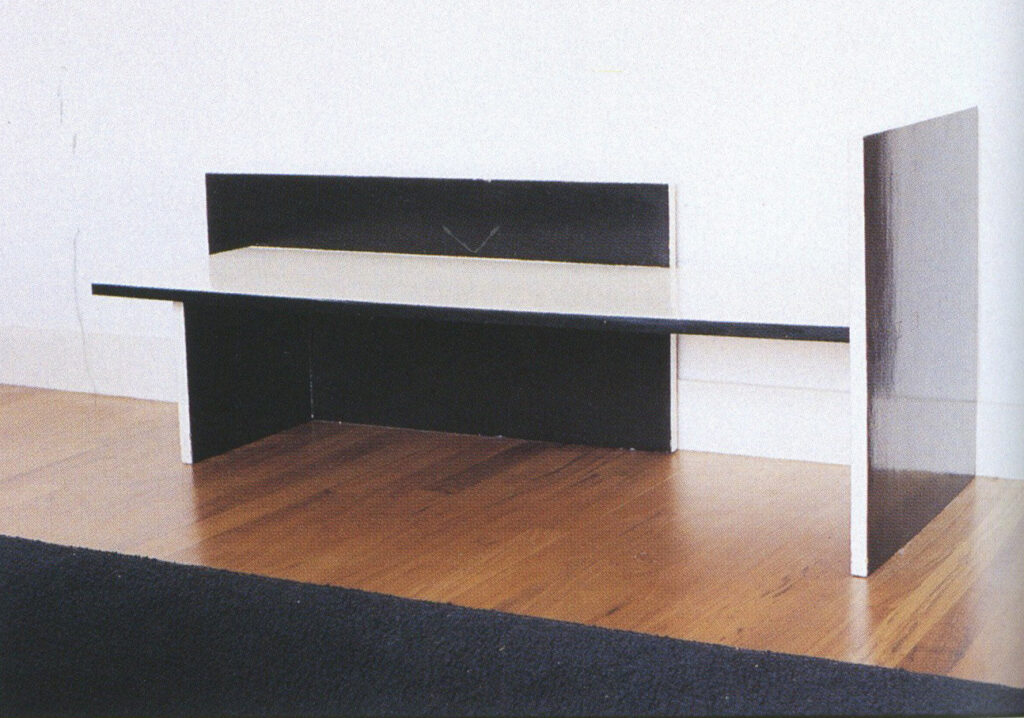
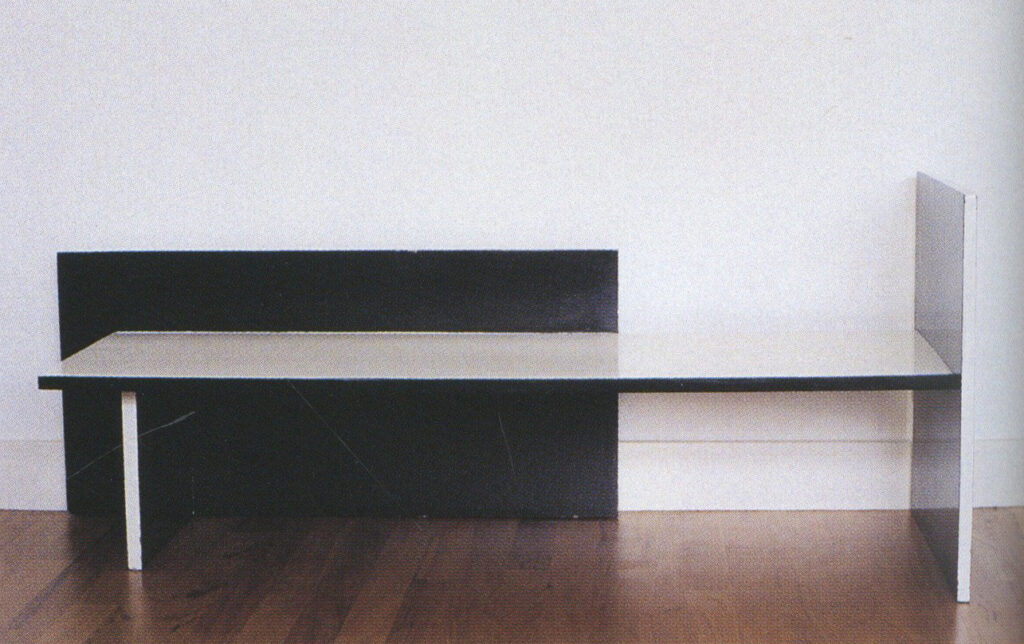
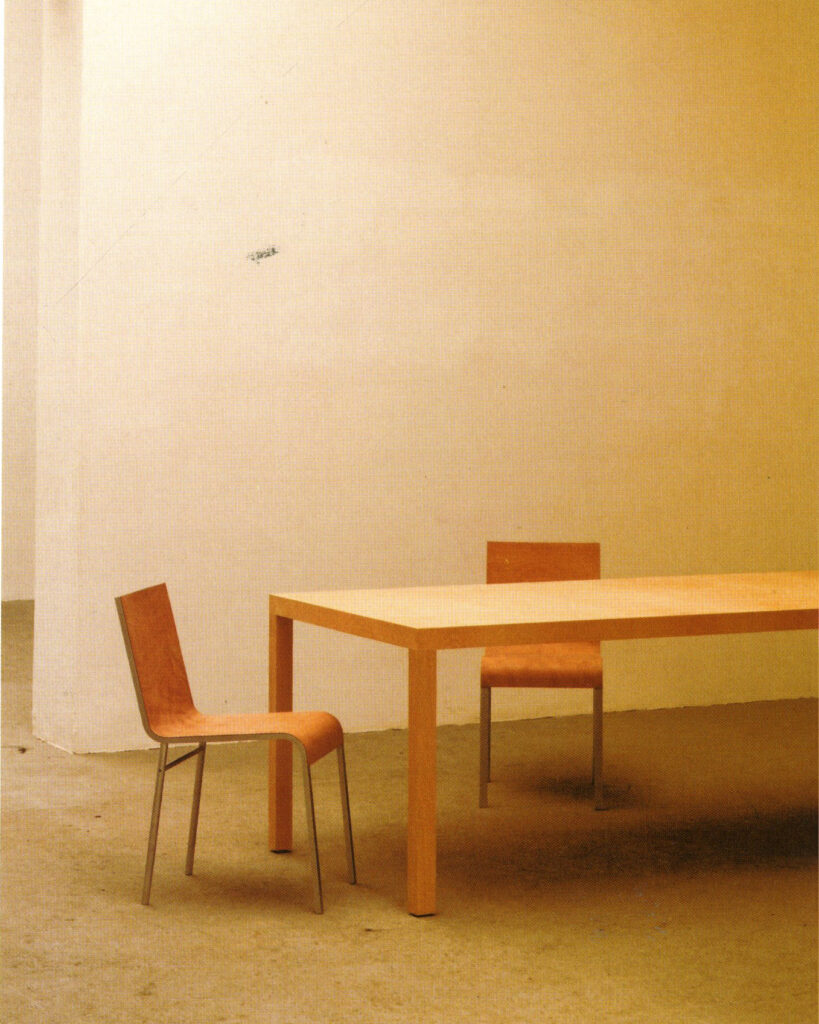
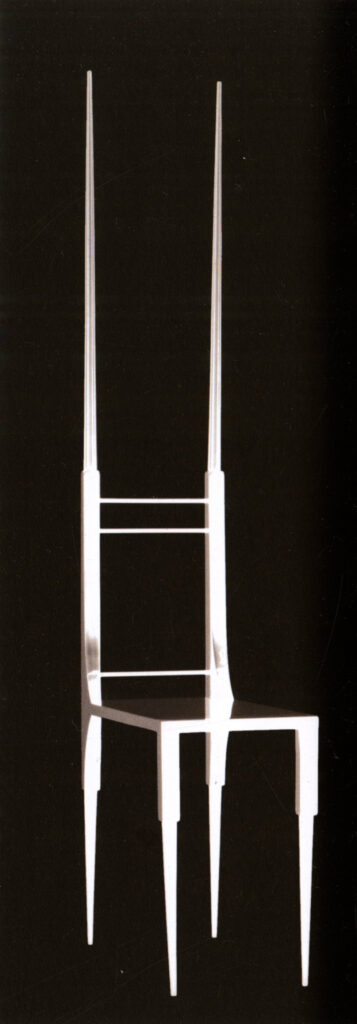
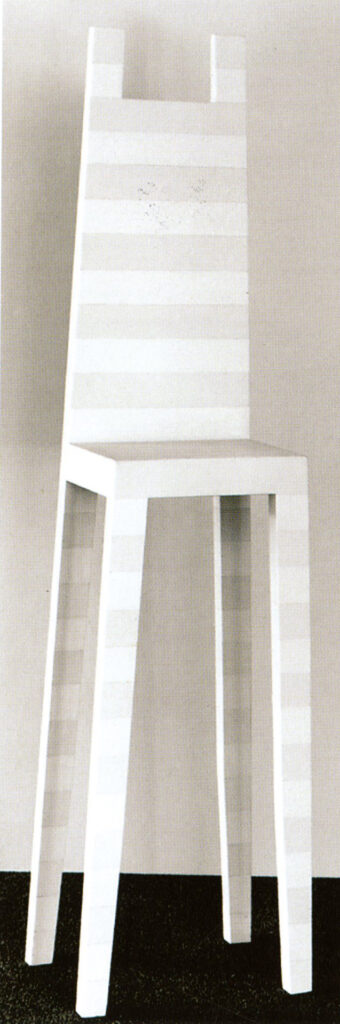
info American artistic Minimalism of the early sixties certainly played a prime role in Robert Wilson‘s training. The minimalist lesson strengthened Wilson’s theatrical production and was never forgotten or rejected given that it has regularly reappeared peremptorily in his later polyhedral production. Wilson‘s sculptural chairs represent a recurrent element and place in his theatre and come to symbolize a stationary quality in contrast to the rash convulsions of contemporary life. For Wilson, chairs represent a repository for actions and moments accumulated in history and become, in the words of Robert Stearns, “powerful metaphors, containers of souls, caskets of memory.” His favourite chair is still the one made from thin wire mesh, designed for The Life and Times of Sigmund Freud in 1969. Hanging in the middle of the empty stage, the chair and its projected shadow created a new, intangible dimension, that of the unconscious. In this case, Wilson was certainly indebted to the works of Robert Morris, such as Untitled (quarter-round mesh) of 1967, the first artist in the Minimalist sphere to experiment with materials like wire mesh, which made it possible to look inside structures that were otherwise geometrically and formally solid, but credit should also be given to later interpretations: for example, by Shiro Kuramata.
read more