DE ARCHITECTS
1/2
2/2
S-149
year 1966
material wood
source title Achille Castiglioni
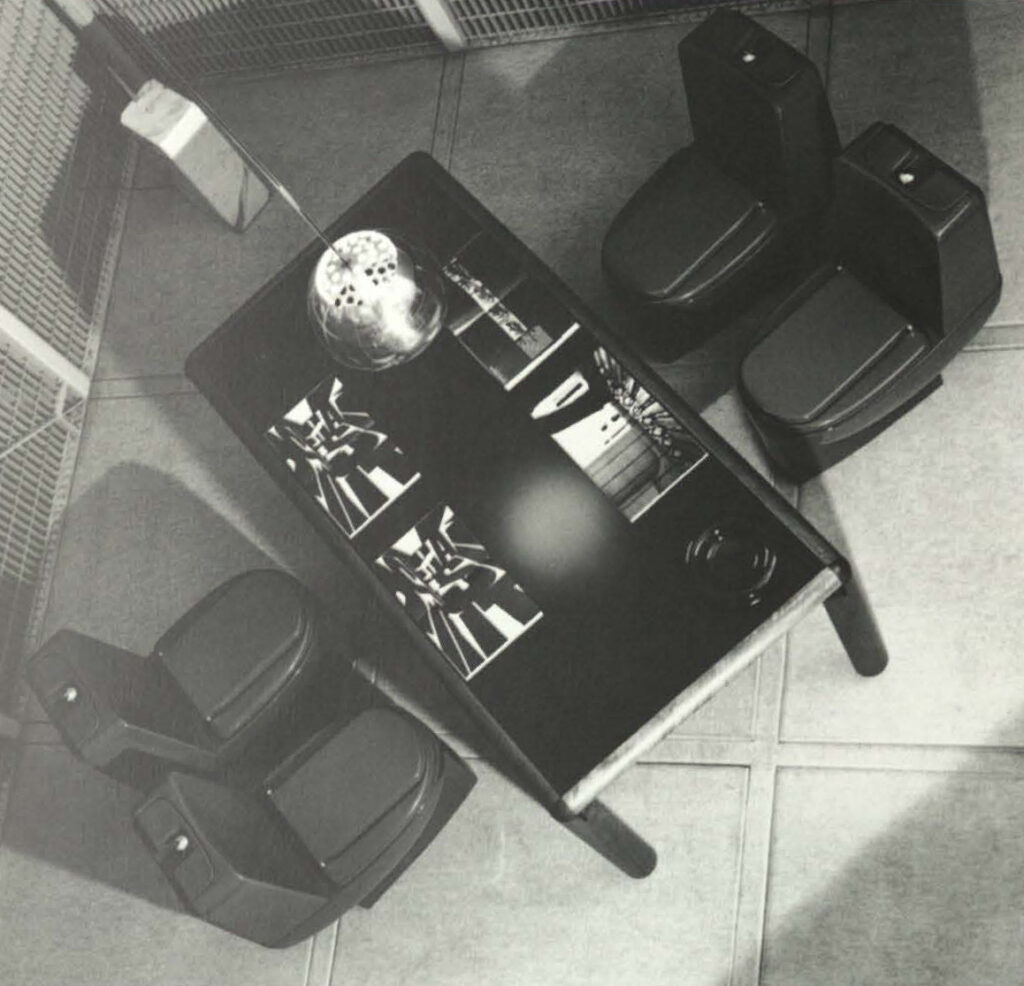
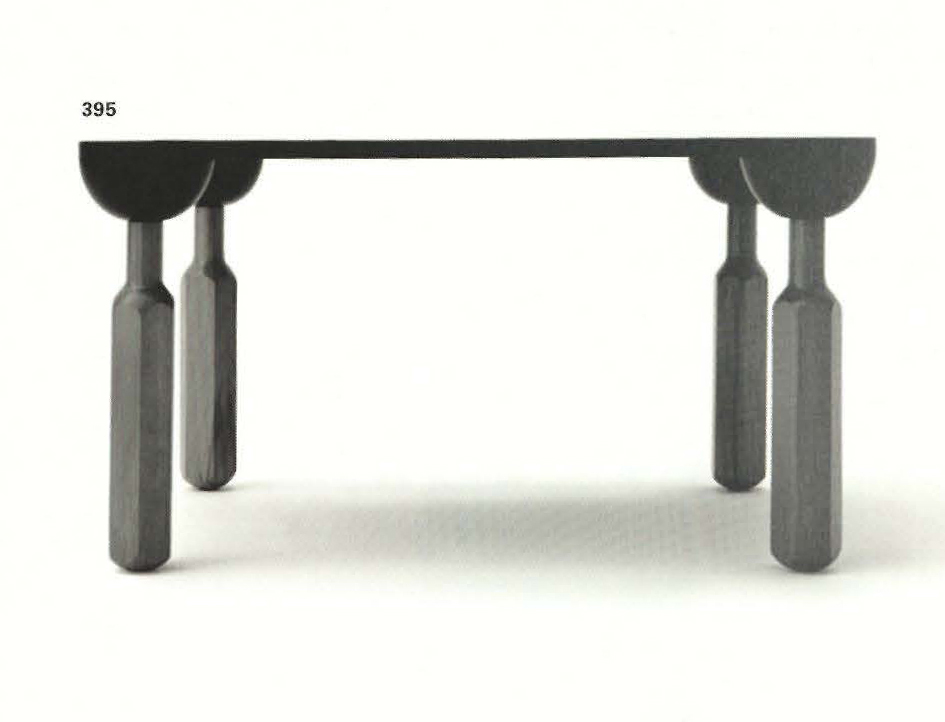
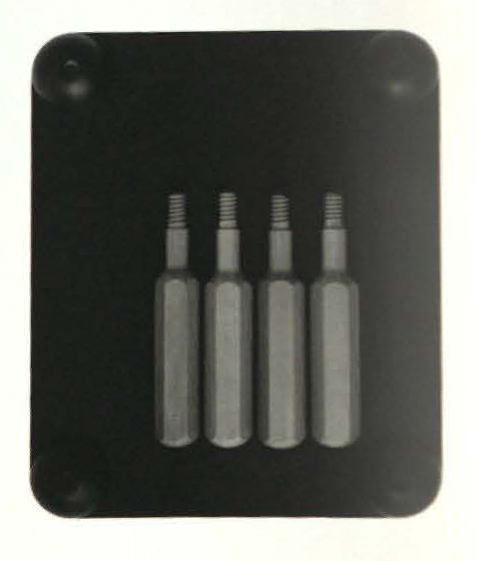
info The prolonged design operation that produced this table ended in 1981 when Zanotta brought it back into production. The birchwood top (52 x 65 cm) is painted black and has rounded corners and a hollowed perimeter. The underside has four hemispheres in solid wood, each containing holes with screw threads for the legs. The thread is matched by the upper part of the polished beechwood legs, whose hexagonal section (like the grips of many tools) makes it easier to assemble and dismantle the table, which is only 35 cm high. The original version had something of an Art-Nouveau flavour. It was modified in 1966 when Bernini adopted it for production, and it went through three different versions, one of which gave it its name. The legs lost their original horizontal symmetry and were redesigned to look like screwdriver handles. The hemispheres were moved to the edge of the table top, lending their curves to the corners, while the perimeter was hollowed, recalling other tables, like those designed at the start of the decade for the Splügen Beerhouse.
read more