DE ARCHITECTS
1/5
2/5
3/5
4/5
5/5
S-736
year 1964
material stone
source title Why write a book on Enzo Mari
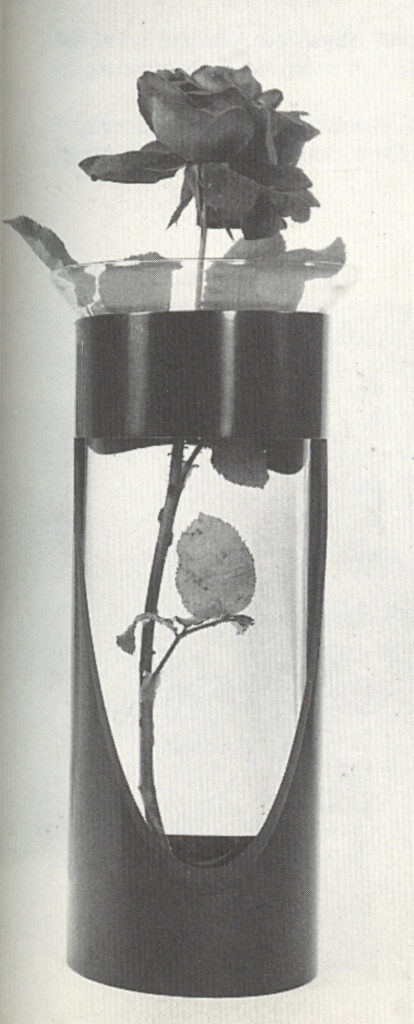
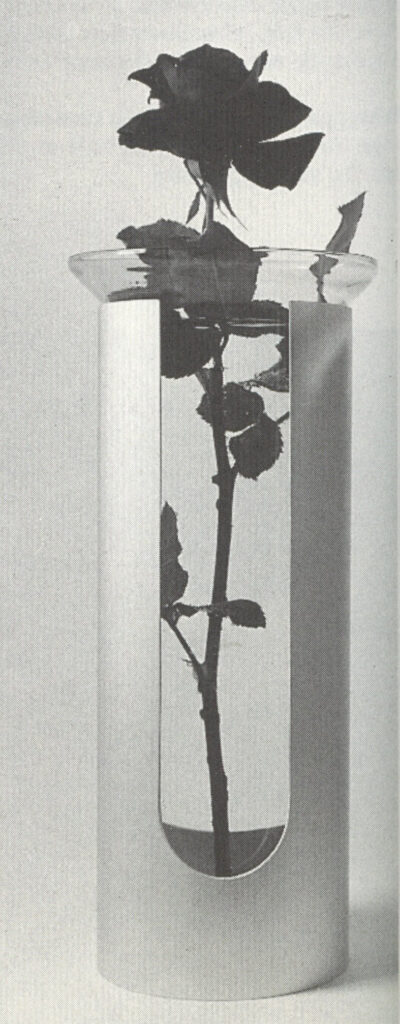
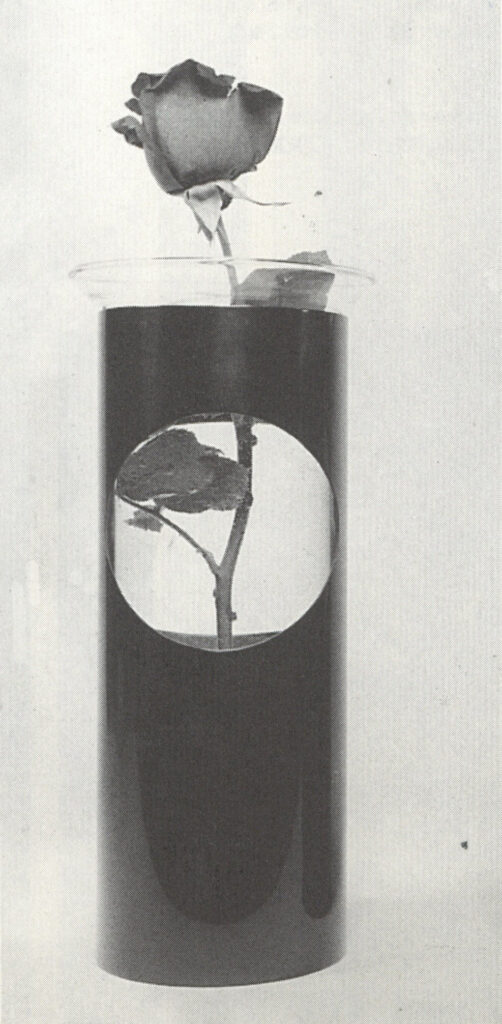
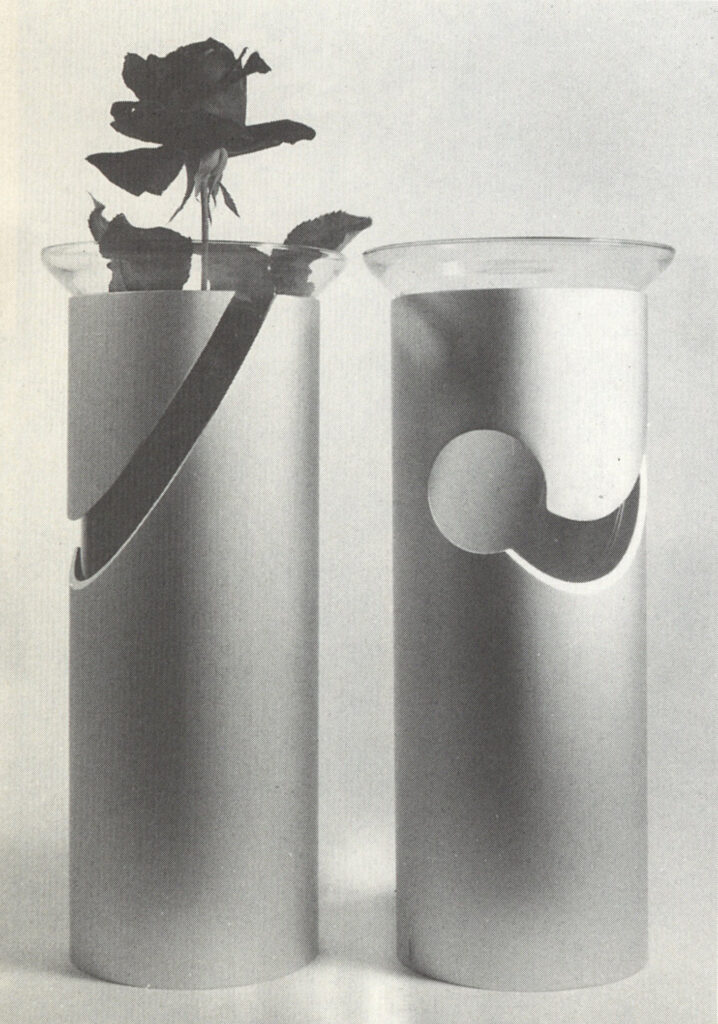
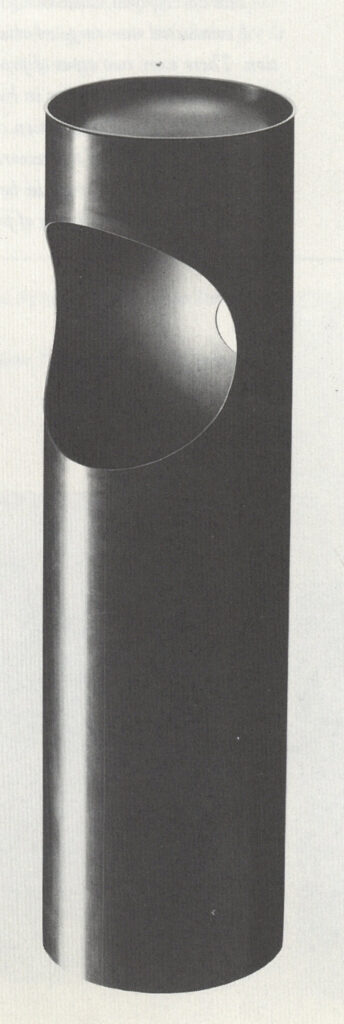
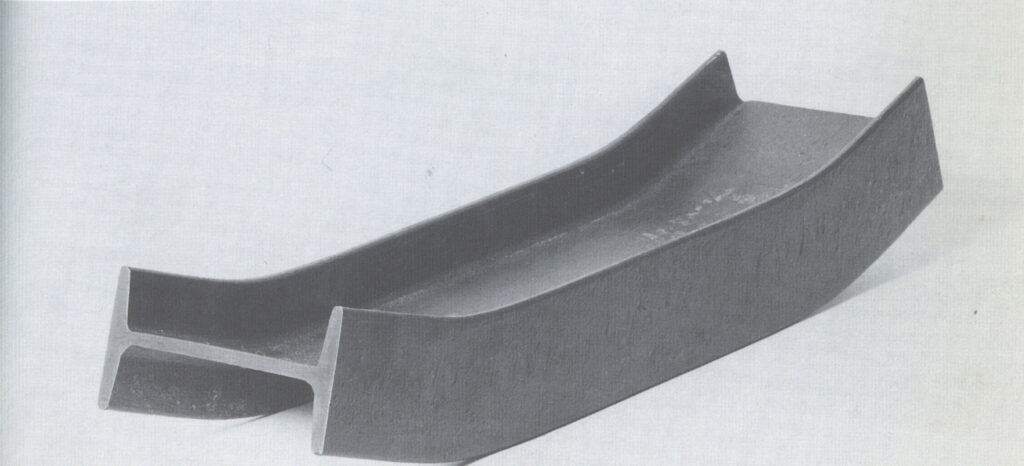
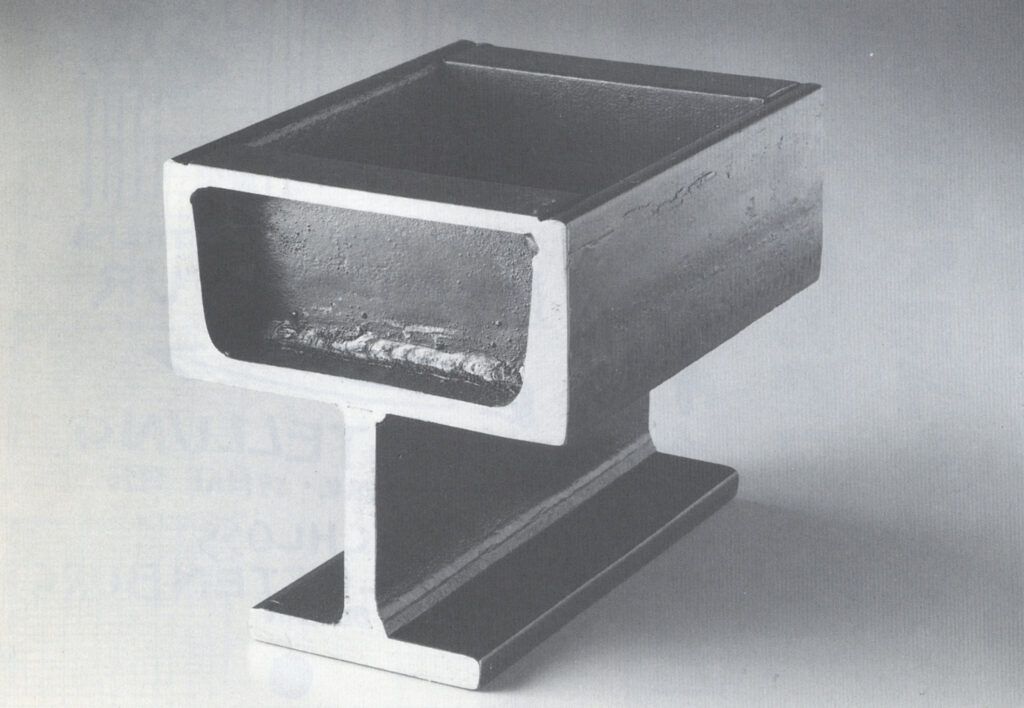
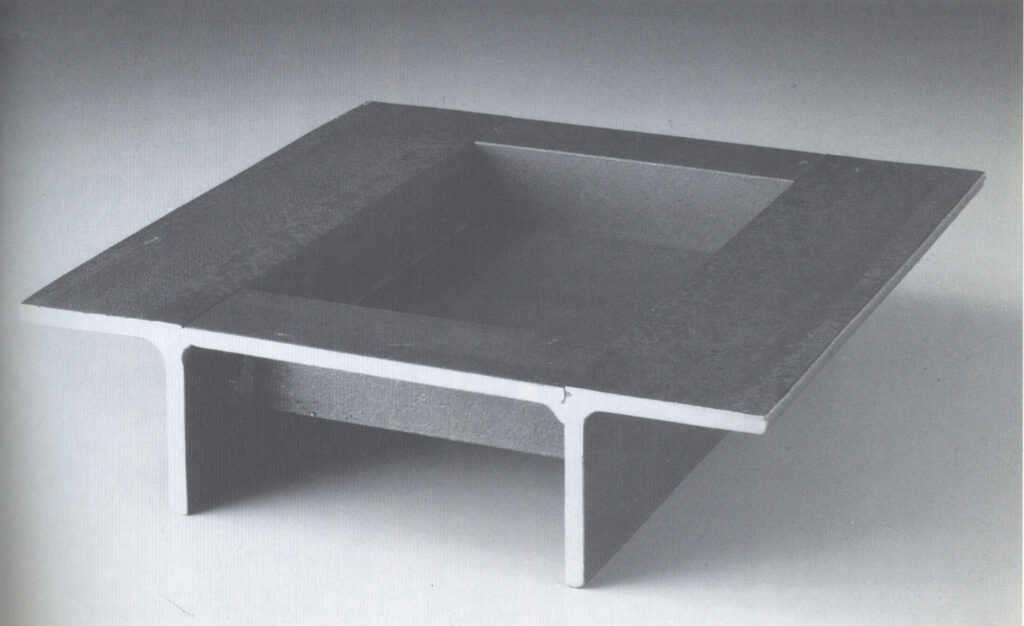
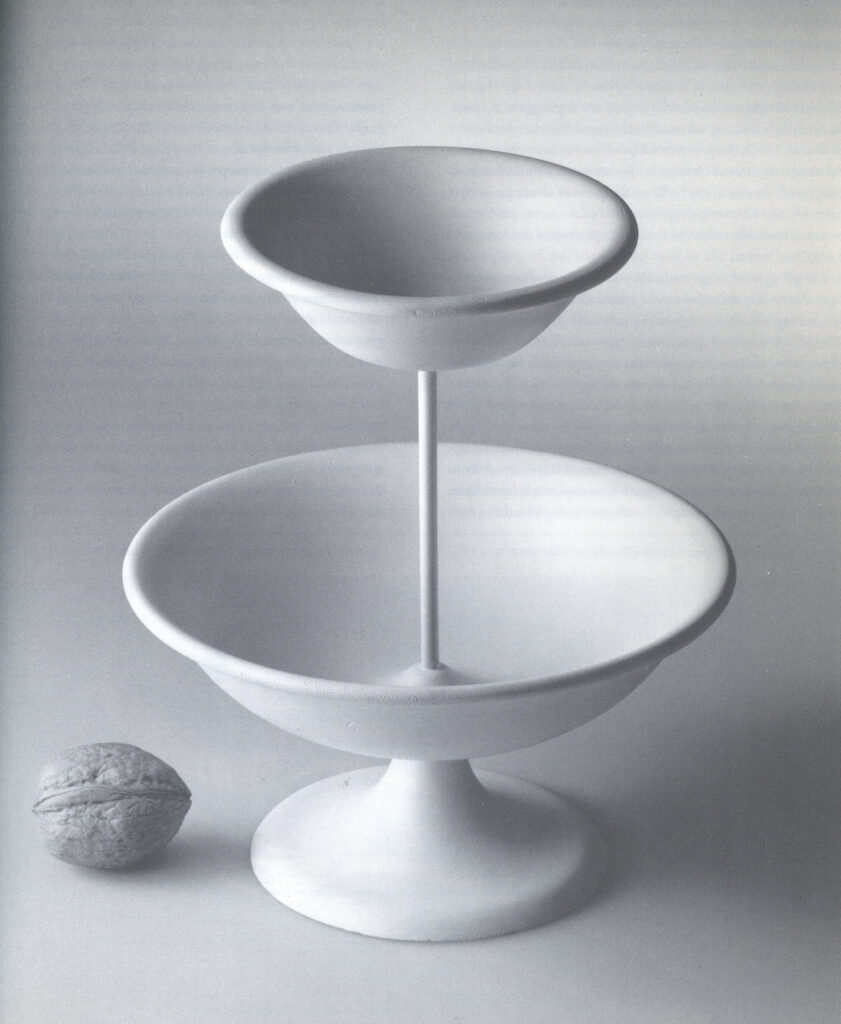
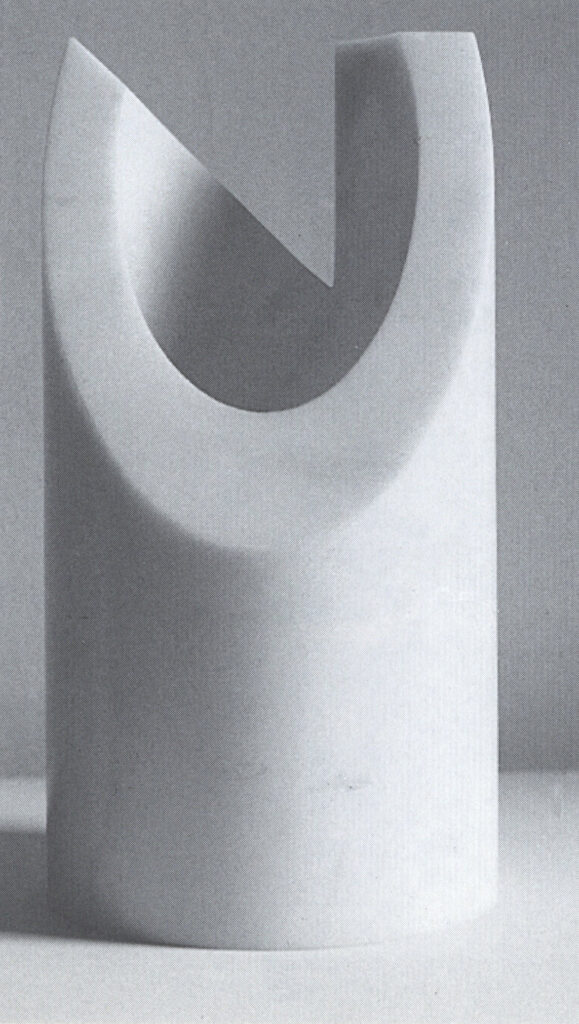
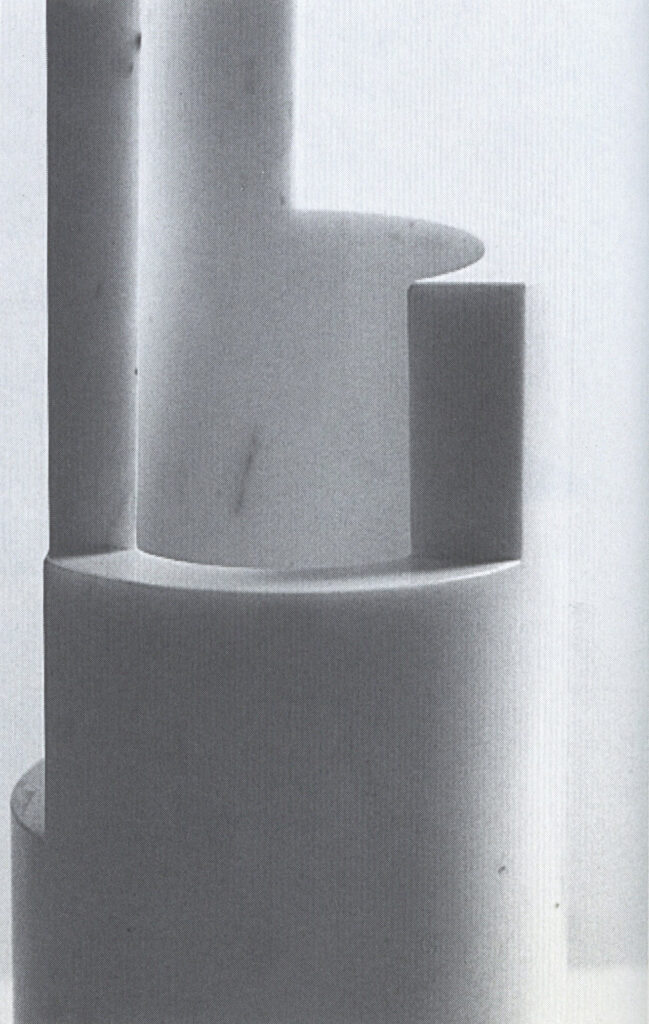
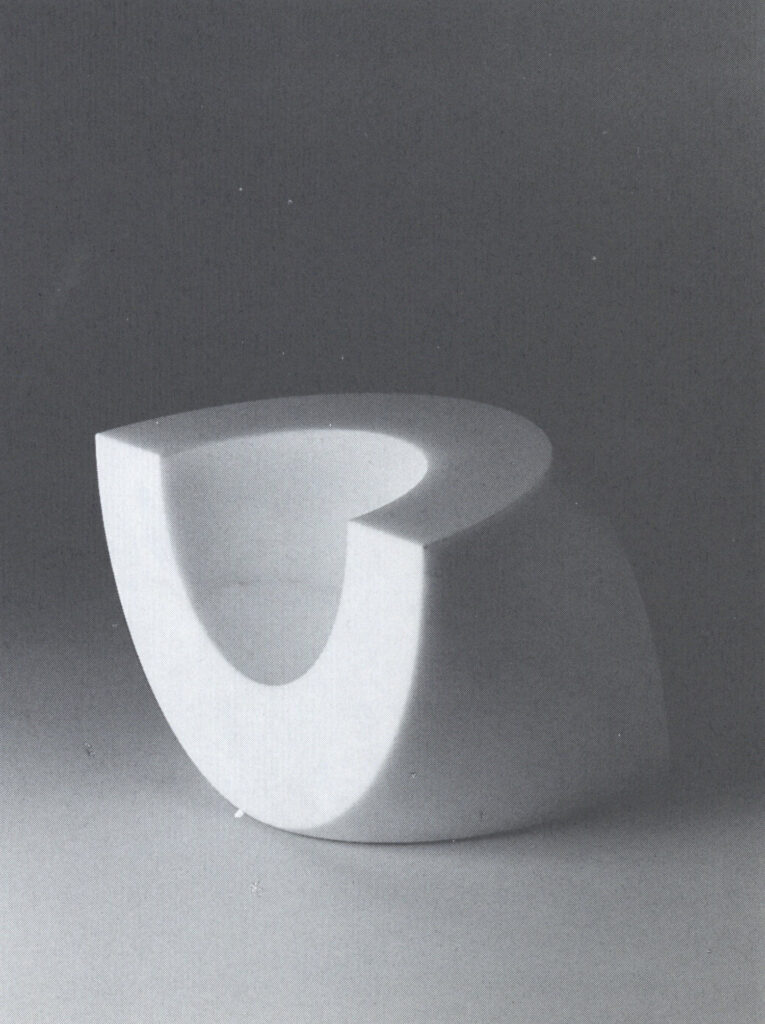
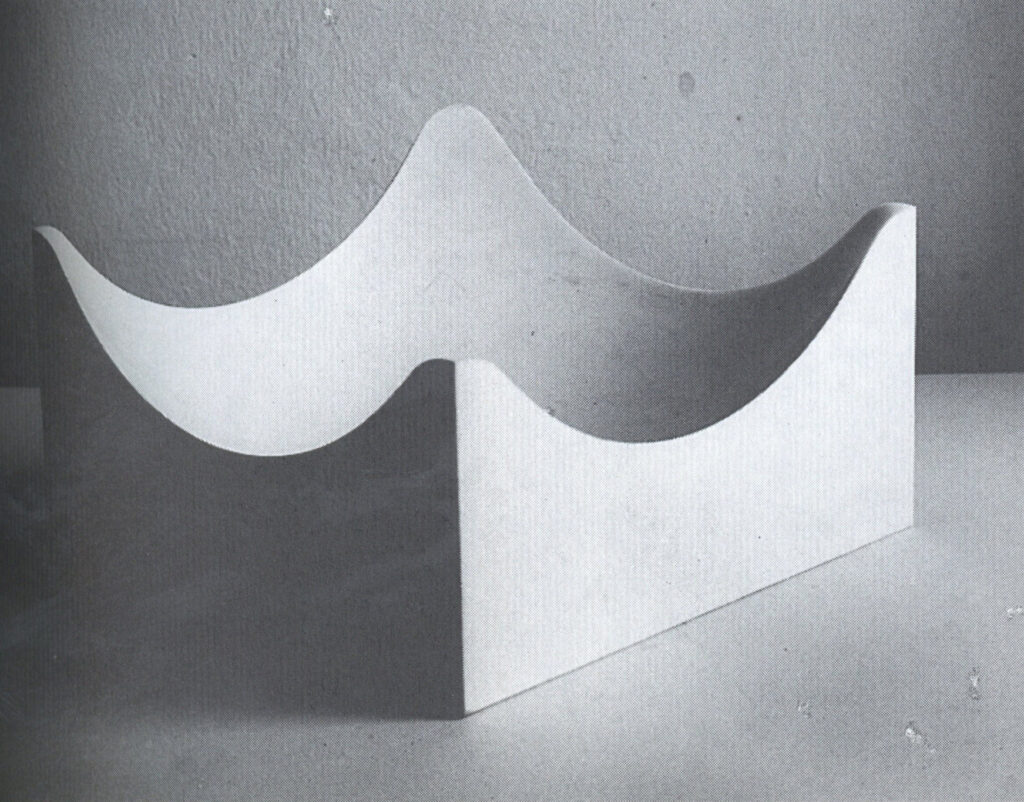
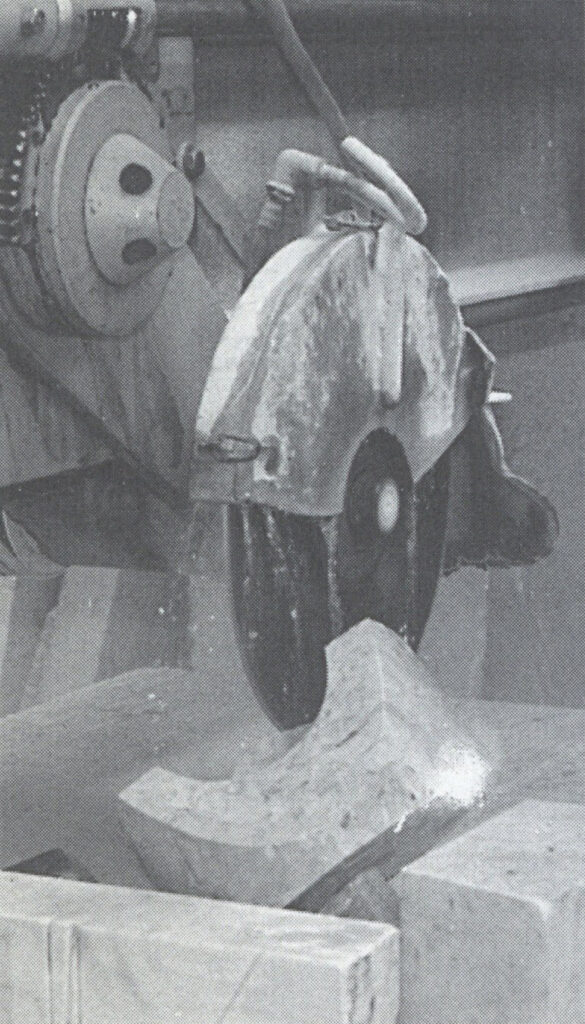
info The research into the contenitori in profilato di ferro, Putrella, started in 1958, was followed by new proposals for the processing of marble and glass, the vases in the Paros series (1964), and that on tubular aluminum, the vases in the Camicia series (1961). In these studies Mari used a simple machine operation (a clean diagonal or perfectly round cut) that showed the possibilities of form variation with the intention of recovering the quality of craft tradition by encouraging the use of ‘modern’ machines. The functional factor was totally secondary. Mari proposed ambiguous containers that expressed a concrete, instinctive perhaps naive desire to react to the “bric-a-brac of the world”, to refute the spectrum of objects present in a context where the ‘period’ craft reproduction prevailed. With his Paros range, Mari was addressing those craft workshops that listlessly use all manual techniques to reproduce stylistic elements in an attempt to prove that the use of modern tool machines (if skillfully employed) permits the creation of forms of great plastic value. With the aluminum and glass Camicia vases (1961) he used unfinished industrial products, directly developing what was, on the one hand, implicit in the approach to Putrella and, on the other, in the approach to marble. Again, he used simple machine operations to successfully demonstrate how an essential action (just removing) can open horizons of great formal wealth. This attitude, a constant in his work, is especially obvious in the projects based on manual production, in particular those for KPM (p. 188) in which the form can only come from the quality of an economic but essential sign that betrays the intelligence of the maker.
read more