DE ARCHITECTS
1/1
S-604
year 2000s
material wood
source title Request Response Reaction: Australian and New Zealand Designers
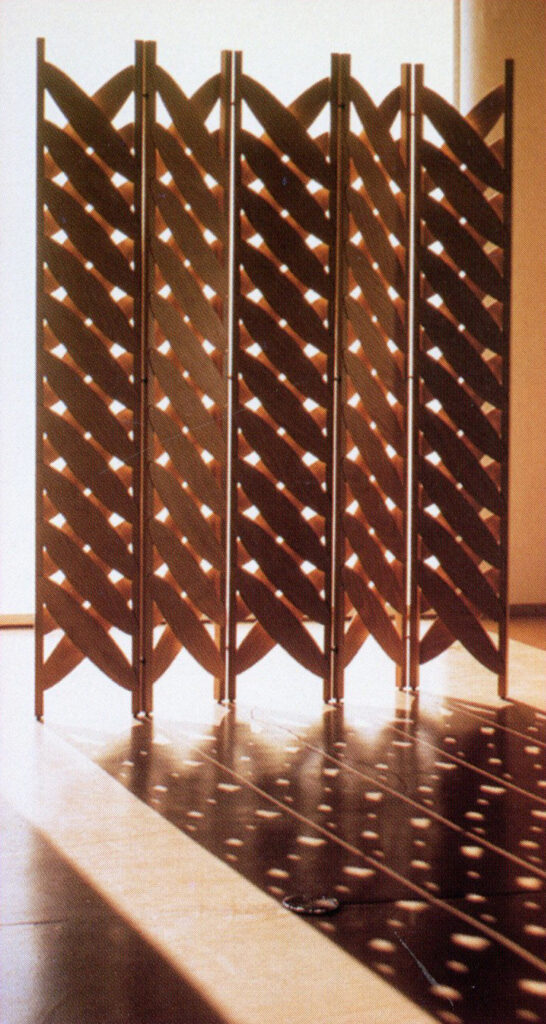
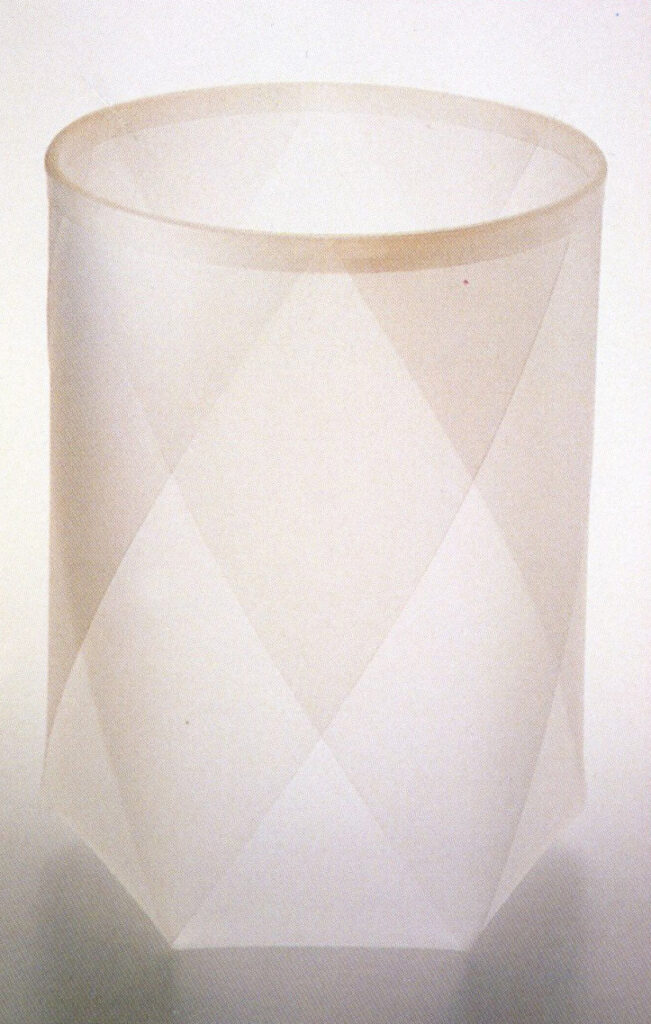
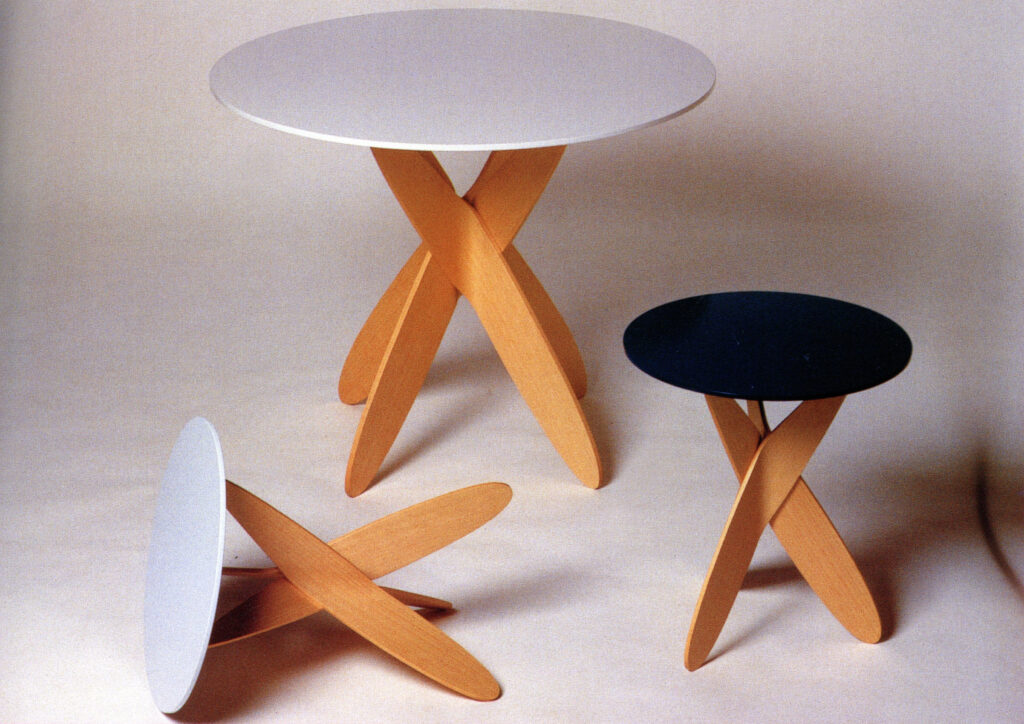
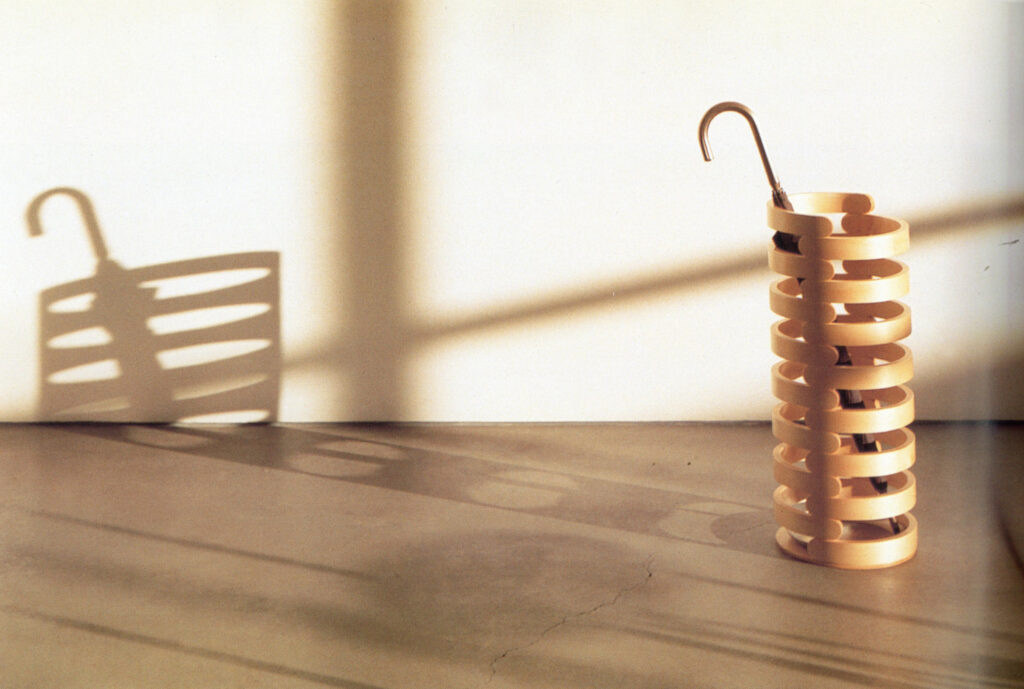
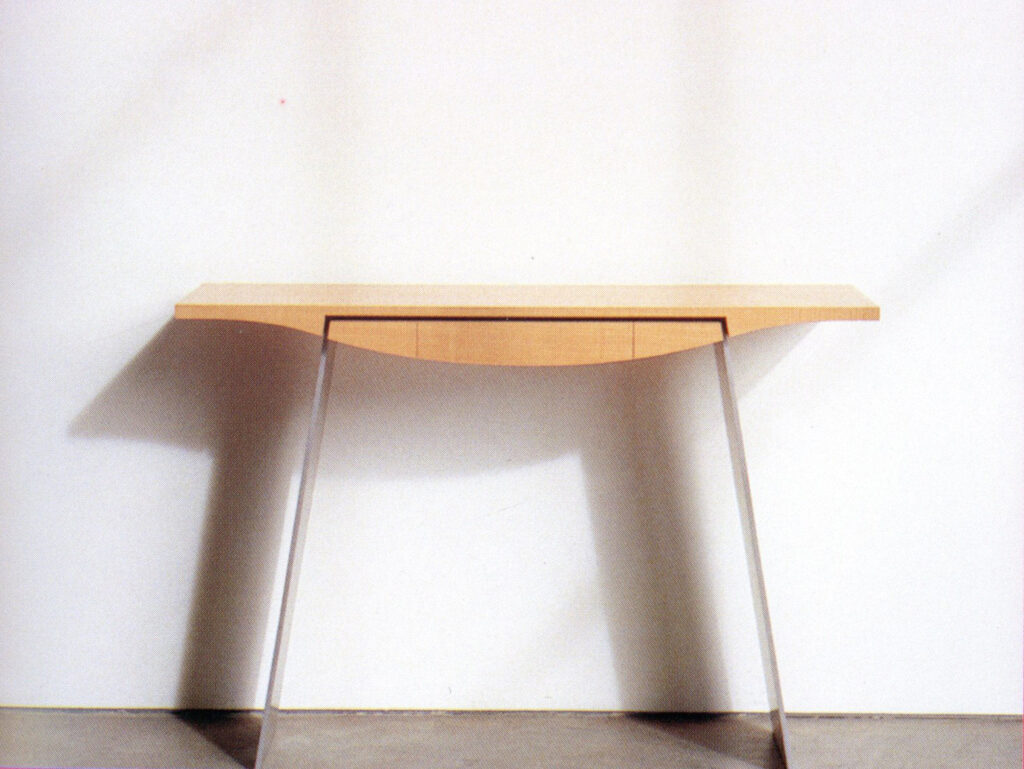
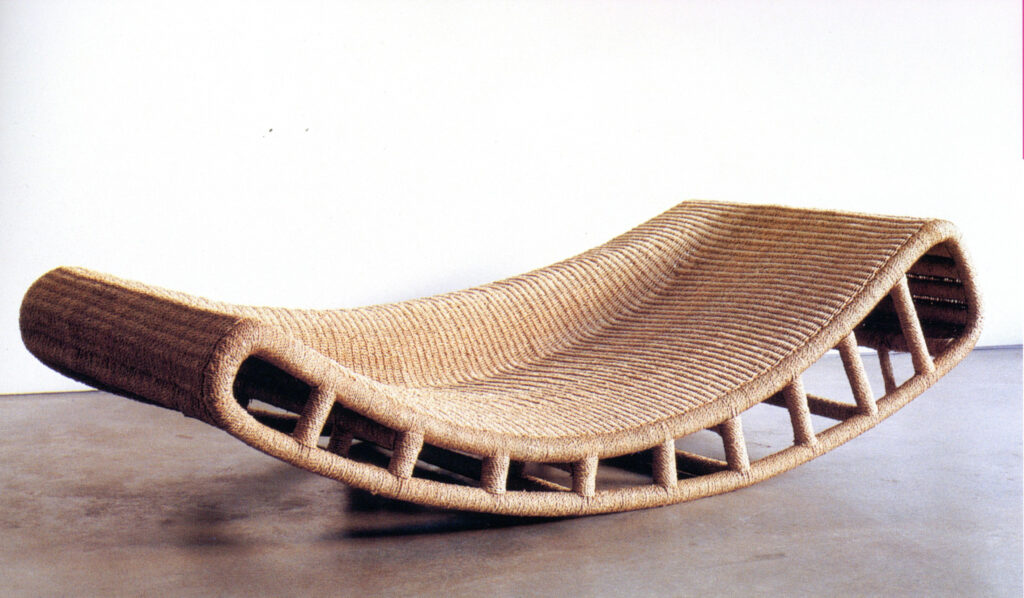
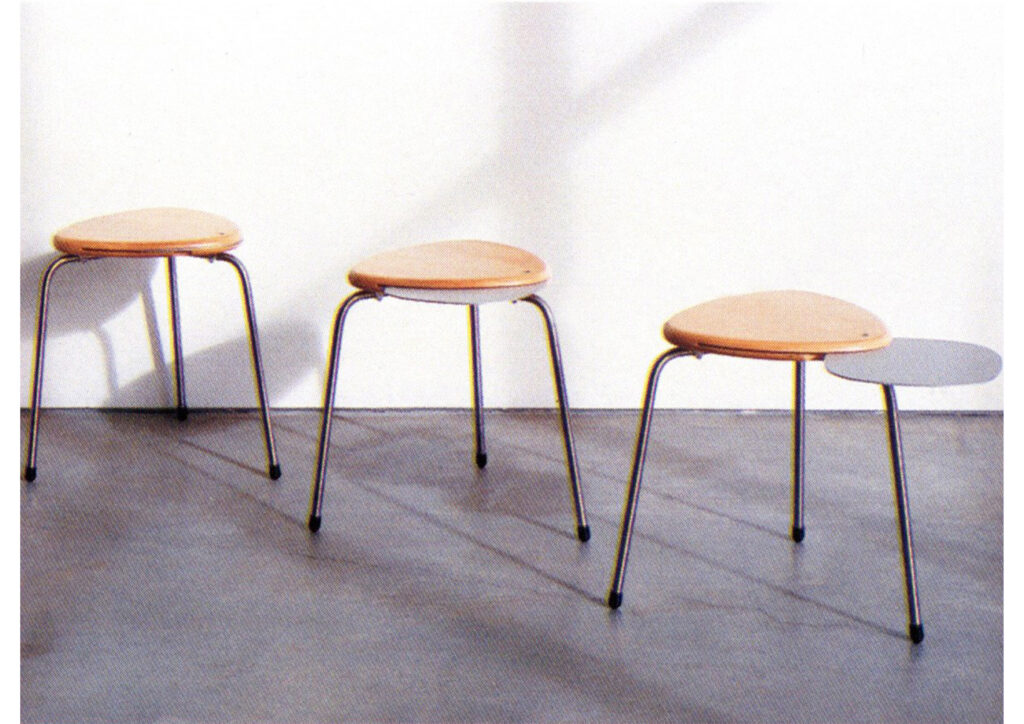
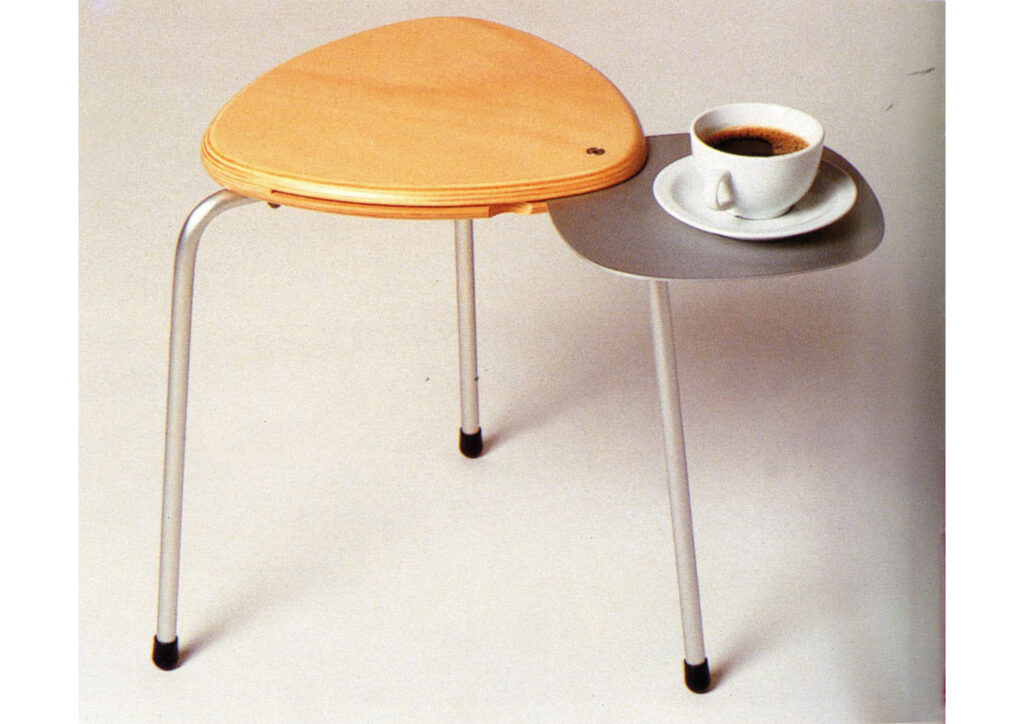
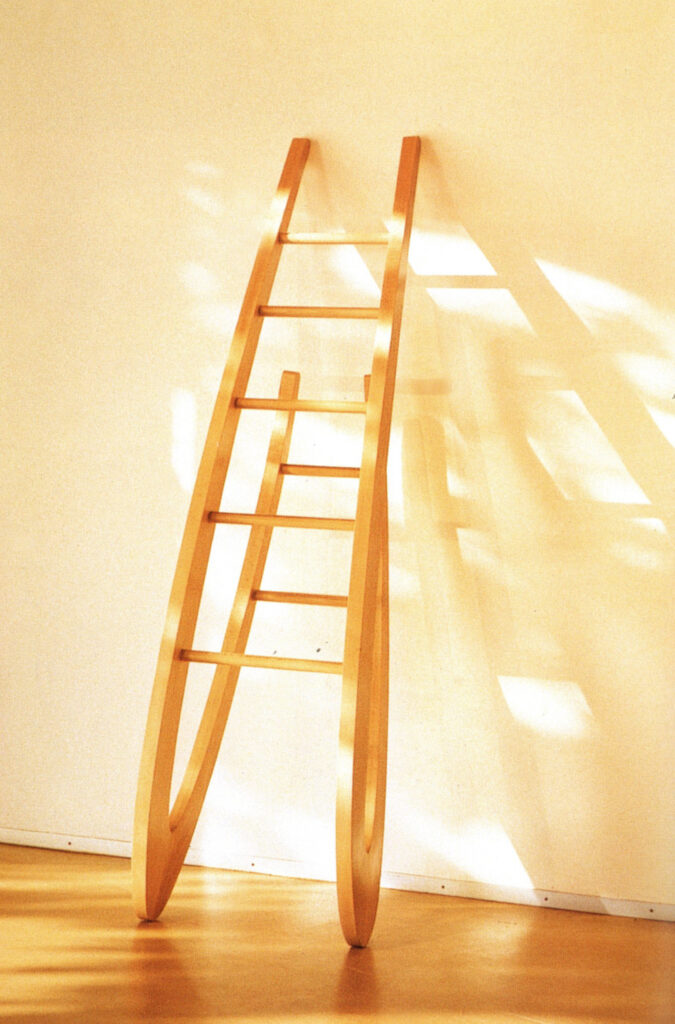
info When Caroline Casey walked into Anibou, one of Sydney’s leading furniture retailers more than five years ago, the word quickly spread. Armed only with a portfolio of drawings and models of furniture, Casey’s talent was easily recognised. ‘It wasn’t just the quality of the drawings and the models, but the breadth of her ideas,’ Anibou’s Manager Ute Rose says. Five years later, with numerous exhibitions to Casey’s credit and her furniture collected by museums and galleries around Australia and internationally, Rose’s instinct has proven accurate. After years of producing in Australia, Casey is about to manufacture and supply retailers in Germany. Casey’s ‘Zella’ day bed and ‘The Wishbone’ clothes ladder, which featured in the German design magazine Architektur & Wohnen (Architecture & Lifestyle), will now be appreciated by a much larger audience. While Casey’s range of furniture is extensive (more than 25 pieces), it is the more unusual pieces that cause the greatest reaction. There’s more of a demand for the more unusual pieces that are unique, Casey says. Whatever form Casey’s furniture takes, whether it’s her ‘Tina’ tables, her ‘Elliptical’ folding screen or her ‘Ned’ bins, revealing the essence of an object and its underlying structure continues to play an important role in her designs. ‘With the ‘Zella’ day bed for example, the rawness of the material is expressed underneath,’ she says. For Ute Rose, it is that simplicity and refinement that makes Casey’s work so unique. ‘Caroline really cuts back her designs to the basics. She cuts back to the essentials of a piece and refrains from including anything superfluous to that design’. Whether it is the ‘Elliptical’ screen or a coffee table, there is a rhythm and a sense of movement to the designs which are finely resolved.
read more